
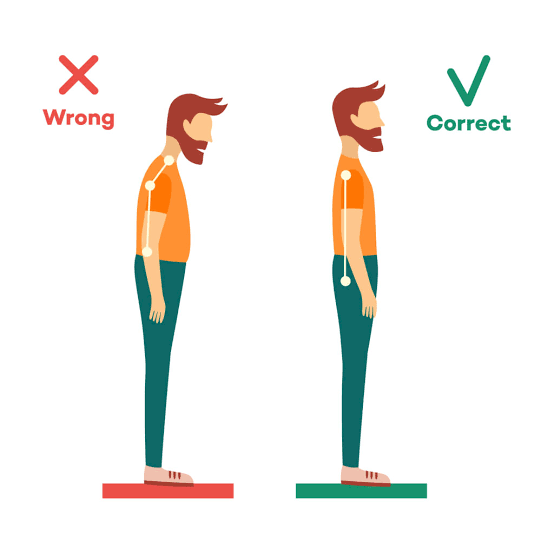
Spinal alignment refers to the way the bones of your spine, pelvis, and surrounding joints and muscles work together to support your posture and movement. The spine is made up of a series of small bones called vertebrae that are connected by joints, discs, ligaments, and muscles. Together, these structures allow your body to bend, rotate, walk, run, lift, and perform everyday activities.
Why Is Spinal Alignment Important?
The spine plays an important role in supporting the body and allowing movement. How your spine and surrounding joints move can influence how forces are distributed through your muscles and other tissues.
Good spinal alignment does not mean maintaining one rigid posture all day. In fact, healthy posture is often about being able to comfortably move between different positions rather than staying in one “perfect” position.
For example, when sitting at a desk, your posture will naturally change throughout the day. Regularly standing up, walking around, changing your sitting position, and moving your neck, shoulders, hips, and back can help prevent prolonged stress from staying in the same position.
What Can Affect Spinal Alignment?
Several factors can influence how a person holds and moves their spine. These can include:
- Prolonged sitting
- Working at a computer for extended periods
- Frequently looking down at a phone
- Repetitive movements
- Poor workstation ergonomics
- Previous injuries
- Limited joint mobility
- Muscle weakness or imbalances
- Poor lifting technique
- Lack of regular physical activity.
Spinal Alignment and Posture
Spinal alignment and posture are closely related, but they are not exactly the same thing.
Posture describes how you position and hold your body, while spinal alignment refers more specifically to the relationship between the different parts of the spine and surrounding structures.
There is no single posture that is perfect for everyone. Your ideal posture can also change depending on what you are doing. The position you use while sitting at a desk will naturally be different from the position you use while running, lifting weights, or playing sports.
Instead of trying to maintain one rigid posture throughout the day, it can be more helpful to develop good movement habits and regularly change positions.
Can Poor Posture Cause Spinal Misalignment?
Poor posture does not automatically mean that your spine has become structurally misaligned. The human body is adaptable, and posture naturally changes depending on the activity, environment, fatigue, and individual anatomy.
However, spending prolonged periods in an uncomfortable or repetitive position may contribute to muscle tension, stiffness, or discomfort. For example, prolonged computer use may contribute to neck and upper-back discomfort in some people.
This is why addressing the underlying habits can be important. Adjusting your workstation, taking movement breaks, strengthening appropriate muscles, improving mobility, and maintaining regular physical activity may all be useful components of a comprehensive approach to spinal health.
How Is Spinal Alignment Assessed?
A chiropractor or other healthcare professional may assess several factors when evaluating the spine and musculoskeletal system.
An assessment may include looking at:
- Standing and sitting posture
- Spinal and joint mobility
- Range of motion
- Muscle function
- Movement patterns
- Areas of stiffness or discomfort
- Previous injuries
- Daily activities and physical demands
In some circumstances, imaging may also be appropriate. However, imaging is not automatically necessary for every person experiencing back or neck discomfort. The appropriate assessment depends on the individual’s symptoms, medical history, and clinical findings.
How Can Chiropractic Care Support Spinal Health?
Chiropractic care focuses on the musculoskeletal system, including the spine and other joints of the body. Depending on the individual’s needs, chiropractic treatment may include spinal manipulation or mobilization, soft-tissue techniques, exercise recommendations, mobility exercises, and advice regarding movement and ergonomics.
The goal is not necessarily to make someone’s spine perfectly straight. Instead, treatment may focus on improving joint mobility, supporting comfortable movement, addressing musculoskeletal restrictions, and helping patients develop habits that support their physical function.
Looking for a Chiropractor Near You?
If you’re looking for chiropractor near you,
Our clinic is conveniently located near downtown Toronto.
ChiroPath Spine & Posture Centre
Address: 265-340 College St, Toronto, ON
Phone: 647-241-8659
We proudly serve patients from:
● Downtown Toronto
● Kensington Market
● Little Italy
● University of Toronto area
● Surrounding GTA neighborhoods Call today or book online to schedule an initial visit. www.chiropath.ca