Posture correctors have exploded in popularity. From strap braces to smart posture sensors, these devices promise to fix slouching, relieve neck pain, and improve spinal alignment. But do posture correctors actually work?
The answer is yes—but only to a limited extent. They can help improve posture awareness and provide short-term support, but they are not a long-term solution for poor posture.
Let’s break down what the research and clinical experience say.
What Is a Posture Corrector?
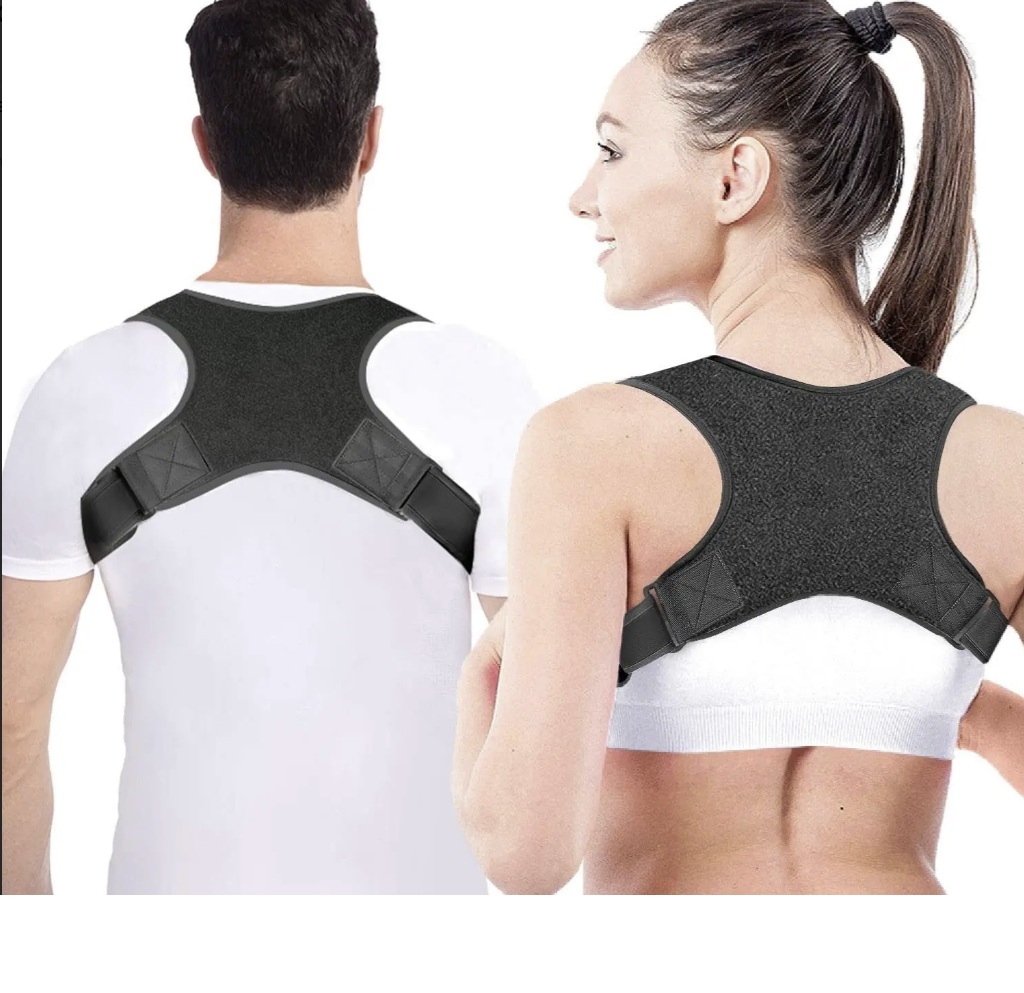
A posture corrector is a wearable device designed to help align your shoulders and spine. Most work by gently pulling the shoulders back or providing feedback when you start slouching.
Common types include:
- Strap-based posture braces
- Posture-correcting shirts or vests
- Electronic posture trainers with vibration alerts
Their goal is simple: encourage a more upright posture and reduce strain on the neck, shoulders, and back.
Do Posture Correctors Really Work?
Research shows mixed results.
Some studies suggest posture braces can temporarily improve spinal alignment and reduce discomfort, particularly for people who sit for long hours.
However, a large review found that out of 137 studies on posture correctors, only 6 were strong enough to evaluate effectiveness, meaning evidence is still limited.
Most experts agree on three key points:
1. They can improve posture temporarily
When worn, a brace physically pulls your shoulders back, making it harder to slouch.
2. They increase posture awareness
Many users become more conscious of their posture habits.
3. They do not fix the root cause
Once the brace is removed, posture often returns to its previous position.
The Biggest Problem With Posture Braces
Poor posture usually develops because of:
- Weak upper back muscles
- Tight chest muscles
- Weak core stability
- Long hours of sitting or screen use
A brace may hold you upright, but it doesn’t strengthen the muscles responsible for maintaining good posture.
In fact, relying on a brace too much may allow those muscles to become less active over time.
When a Posture Corrector Can Help
Posture braces can still be useful when used correctly.
They work best as a training tool, not a permanent solution.
A posture corrector may help if you:
- Work long hours at a desk
- Have mild rounded shoulders or “tech neck”
- Need reminders to sit upright
- Are starting posture rehabilitation exercises
Most professionals recommend wearing them 30 minutes to a few hours per day, not all day.
What Actually Fixes Poor Posture
Long-term posture improvement requires active correction, not passive support.
The most effective strategies include:
1. Strengthening Key Muscles
Focus on exercises for:
- Upper back (rows, face pulls)
- Core stability
- Scapular stabilizers
2. Stretching Tight Areas
Common tight muscles include:
- Chest (pectorals)
- Hip flexors
- Neck flexors
3. Improving Ergonomics
Simple adjustments make a big difference:
- Screen at eye level
- Proper chair support
- Regular movement breaks
4. Chiropractic Care
A chiropractor can help restore joint mobility, reduce muscle tension, and create a personalized posture correction plan.
Looking for a Chiropractor Near You?
If you’re looking for chiropractor near you,
Our clinic is conveniently located near downtown Toronto.
ChiroPath Spine & Posture Centre
Address: 265-340 College St, Toronto, ON
Phone: 647-241-8659
We proudly serve patients from:
● Downtown Toronto
● Kensington Market
● Little Italy
● University of Toronto area
● Surrounding GTA neighborhoods Call today or book online to schedule an initial visit. www.chiropath.ca