Best Treatment for Scoliosis Pain: Can Chiropractic Care Help?
Scoliosis is a condition characterized by an abnormal sideways curvature of the spine that can place uneven stress on the muscles, joints, ligaments, and discs. While some individuals with scoliosis experience few symptoms, others may develop chronic back pain, stiffness, muscle fatigue, reduced flexibility, and postural imbalances. The severity of symptoms often depends on the degree of curvature, age, activity level, and overall spinal health.
Managing scoliosis pain typically requires a comprehensive approach rather than relying on a single treatment. Common treatment options include chiropractic care, physiotherapy, therapeutic exercise, stretching programs, massage therapy, and lifestyle modifications. Regular physical activity and strengthening exercises can help support spinal stability, improve posture, and reduce the muscular strain that often contributes to discomfort. For more severe cases, bracing or surgical consultation may be recommended by a medical specialist.
Chiropractic care is frequently sought by individuals looking for non-invasive scoliosis pain relief. Chiropractors assess spinal mobility, posture, muscle balance, and movement patterns to identify factors that may be contributing to pain. Gentle spinal adjustments and manual therapy techniques may help improve joint function, reduce stiffness, and decrease tension in overworked muscles surrounding the spine. Many patients report improvements in comfort, mobility, and daily function following a personalized treatment plan.
Exercise is one of the most important components of long-term scoliosis management. Targeted strengthening and stabilization exercises can help support the spine, improve balance, and enhance overall body mechanics. Stretching programs may also help address muscle tightness that commonly develops on one side of the body due to spinal curvature. A tailored exercise program designed by a healthcare professional can complement chiropractic care and contribute to better outcomes.
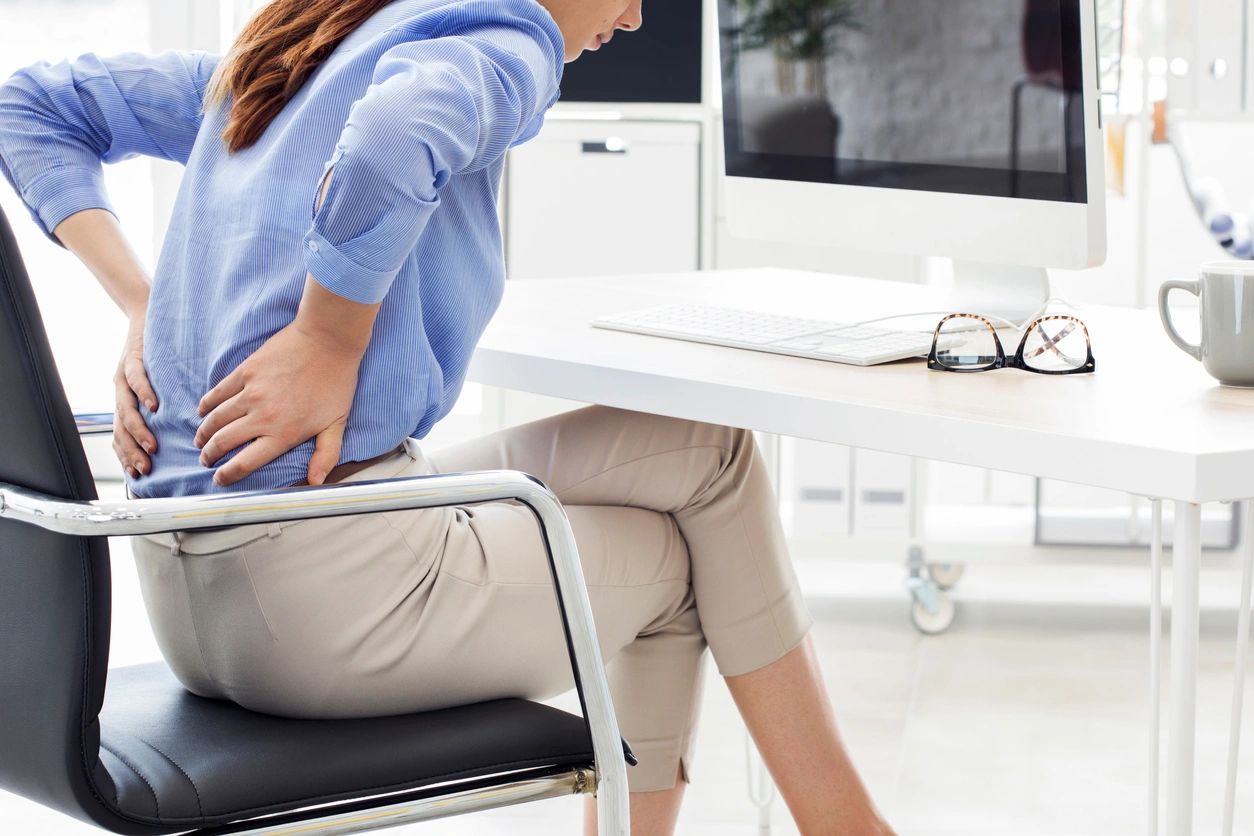
Posture and ergonomics also play a significant role in managing scoliosis-related pain. Prolonged sitting, poor workstation setup, repetitive movements, and inadequate physical conditioning can increase strain on the spine and surrounding tissues. Making adjustments to daily habits, maintaining an active lifestyle, and incorporating regular movement throughout the day may help reduce stress on the body and minimize flare-ups.
While scoliosis cannot always be corrected, effective treatment can often help reduce pain, improve mobility, and enhance quality of life. Chiropractic care, when combined with exercise, posture education, and other supportive therapies, may be a valuable part of a comprehensive scoliosis management plan. If you are experiencing scoliosis-related pain, consulting a qualified healthcare professional can help determine the most appropriate treatment strategy for your individual needs.
Looking for a Chiropractor Near You?
If you’re looking for chiropractor near you,
Our clinic is conveniently located near downtown Toronto.
ChiroPath Spine & Posture Centre
Address: 265-340 College St, Toronto, ON
Phone: 647-241-8659
We proudly serve patients from:
● Downtown Toronto
● Kensington Market
● Little Italy
● University of Toronto area
● Surrounding GTA neighborhoods Call today or book online to schedule an initial visit. www.chiropath.ca