
What Is Scoliosis?
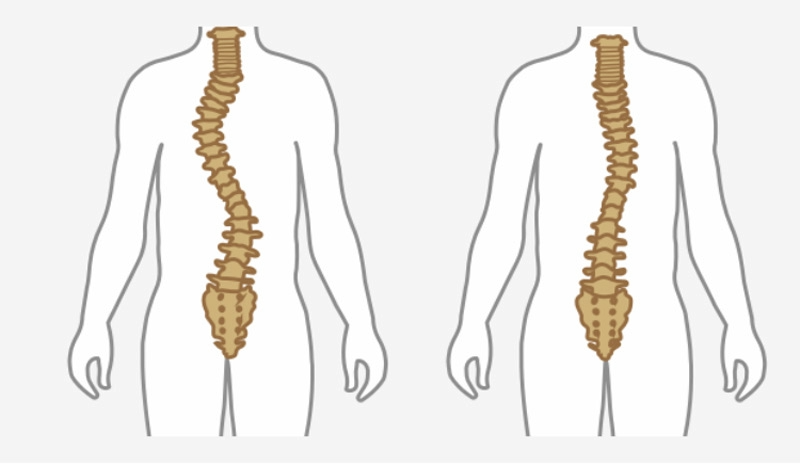
Scoliosis is a three-dimensional spinal condition characterized by an abnormal curvature of the spine. Instead of appearing relatively straight when viewed from the back, the spine may develop a curve that resembles a “C” or “S” shape.
Scoliosis can develop during childhood or adolescence, although it can also occur or become more noticeable during adulthood.
Some common signs of scoliosis include:
- Uneven shoulders
- One hip appearing higher than the other
- An uneven waistline
- One shoulder blade appearing more prominent
- Changes in posture
- Back stiffness or discomfort
- Muscle tightness on one side of the body
Some people with scoliosis have few or no symptoms, while others experience recurring discomfort or limitations in their daily activities.
Can You Fix Scoliosis?
Whether scoliosis can be “fixed” depends on the type and severity of the curve.
A structural scoliosis curve involves changes in the spine that are not simply caused by poor posture. Therefore, treatment should not be based on the idea that every scoliosis curve can simply be “straightened.”
Instead, scoliosis care often focuses on goals such as:
- Managing pain and discomfort
- Improving spinal and joint mobility
- Improving muscular strength and endurance
- Addressing movement imbalances
- Improving postural awareness
- Maintaining physical function
- Monitoring changes in the spinal curve when appropriate
The right approach depends on factors such as age, curve severity, symptoms, physical activity, and whether the curve is changing over time.
What Does Chiropractic Treatment for Scoliosis Involve?
There is no single chiropractic treatment that is appropriate for everyone with scoliosis.
Depending on the individual’s assessment, a treatment plan may include:
1. Spinal and Joint Mobility
Specific chiropractic techniques may be used to address areas of restricted movement and improve overall joint mobility.
2. Soft-Tissue Treatment
Muscles surrounding a spinal curve may become tight or overworked. Soft-tissue techniques can be used to help manage muscular tension and improve comfort.
3. Postural Education
Understanding how you sit, stand, walk, work, and exercise can be an important part of managing scoliosis-related symptoms.
4. Corrective Exercises
Exercises may be recommended to improve core strength, muscular endurance, balance, mobility, and body awareness.
5. Movement Retraining
Some people develop compensatory movement patterns around their spinal curve. A customized exercise program can help improve movement control and functional strength.
Does Poor Posture Cause Scoliosis?
Poor posture and scoliosis are not the same thing.
Sitting or standing with poor posture does not necessarily cause structural scoliosis. However, people with scoliosis may develop noticeable postural asymmetries because of the shape and rotation of their spine.
Improving posture may help someone feel more comfortable and move more efficiently, but posture correction should not be presented as a guaranteed way to eliminate a structural scoliosis curve.
Scoliosis Treatment in Toronto
If you’re looking for scoliosis treatment in Toronto, the first step is a thorough assessment.
At ChiroPath Spine & Posture Centre, the focus can be on understanding how your spinal curvature may be affecting your posture, movement, muscles, and everyday activities. Based on your individual presentation, a personalized treatment and exercise approach can be developed.
Chiropractic care may be one component of conservative scoliosis management. When appropriate, collaboration or referral to other healthcare professionals may also be recommended.
Looking for a Chiropractor Near You?
If you’re looking for chiropractor near you,
Our clinic is conveniently located near downtown Toronto.
ChiroPath Spine & Posture Centre
Address: 265-340 College St, Toronto, ON
Phone: 647-241-8659
We proudly serve patients from:
- Downtown Toronto
- Kensington Market
- Little Italy
- University of Toronto area
- Surrounding GTA neighborhoods
Call today or book online to schedule an initial visit. www.chiropath.ca